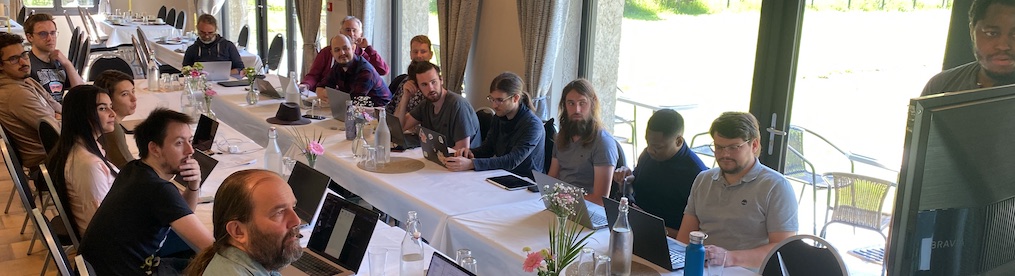
WG Avalon public 31 mars 2025 (Quentin Guilloteau)

Quentin Guilloteau donnera l’exposé suivant.

Titre : Présentation et démonstration Nix/NixOS/NixOS-Compose 

Résumé:
Dans cette présentation, nous motiverons l’utilisation de
gestionnaires de paquets fonctionnels, tels que Nix [1] ou Guix [2],
pour la mise en place d’environnements logiciels reproductibles.
Nous expliquerons ensuite les concepts importants de ces outils,
puis illustrerons leurs utilisations par une démonstration.
(use case: analyse de données sur sa machine)

Nix se concentre uniquement sur la pile logicielle au-dessus
du noyau, nous présenterons également NixOS [3], la distribution
Linux basée sur Nix, qui permet de produire des images systèmes
reproductibles.
(use case: expérience sur G5K avec un nœud)

Enfin, nous présenterons NixOS-Compose [4], un outil se basant sur
NixOS, visant à faciliter les cycles de mise au point
d’environnement logiciels distribués tout en gardant des garanties
en termes de reproductibilité.
(use case: expérience sur G5K avec plusieurs nœuds et “rôles”)

[1] Nix: https://nixos.org/https://nix.dev/manual/nix/2.24/
[2] Guix: https://guix.gnu.org
[3] NixOS: https://nixos.org/manual/nixos/stable/
[4] NixOS-Compose: https://gitlab.inria.fr/nixos-compose/nixos-compose
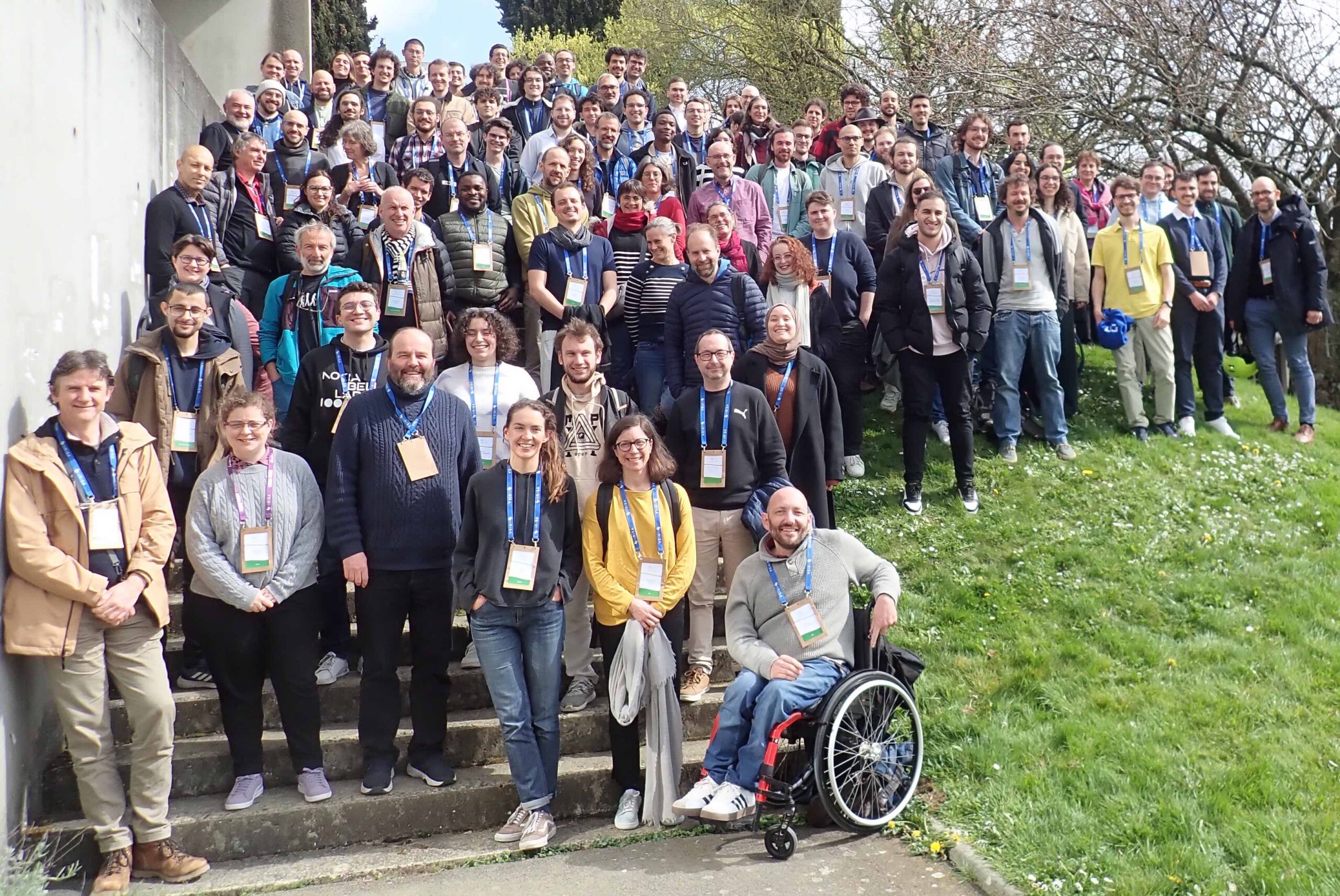
GreenDays2025@Rennes

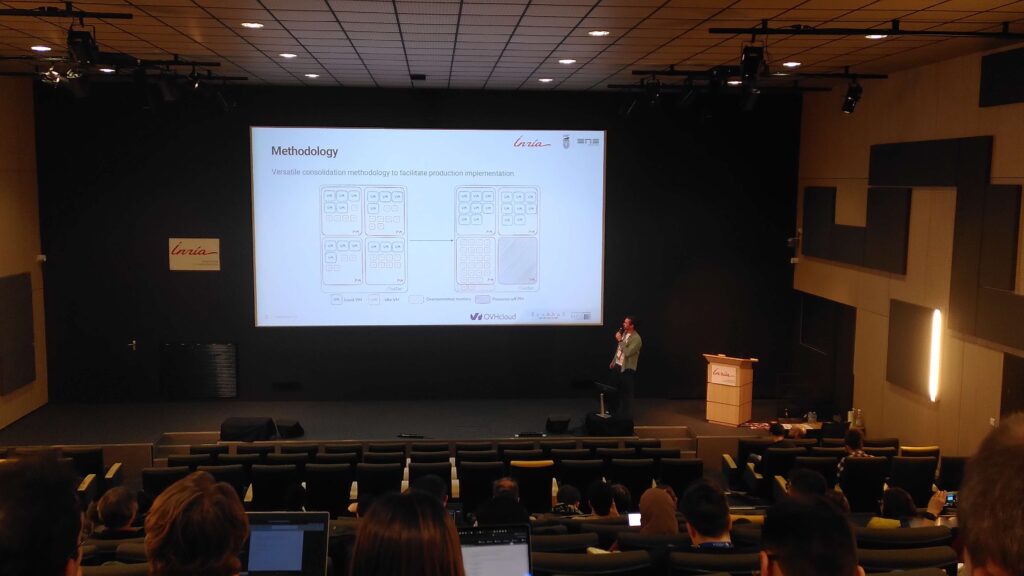
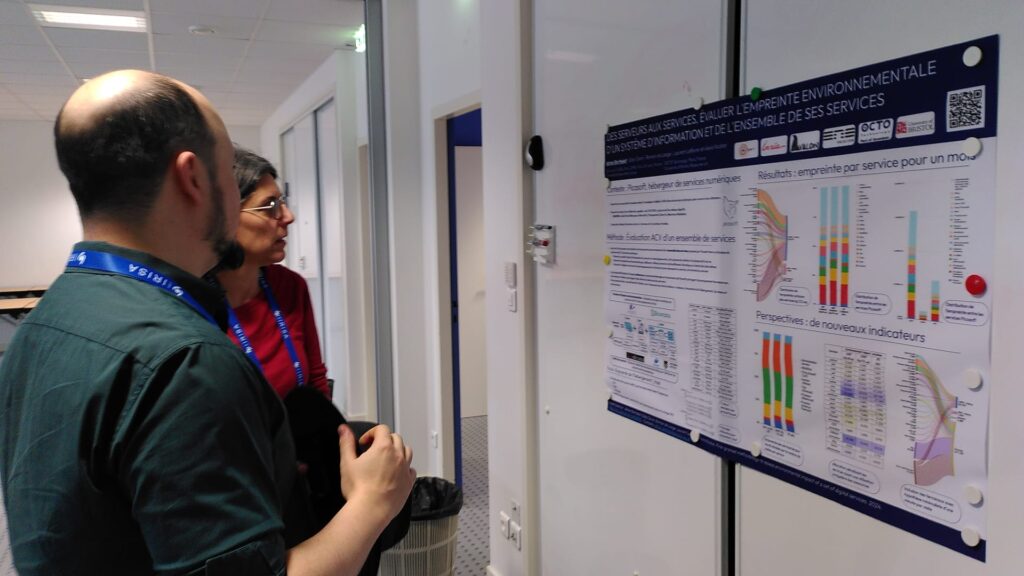
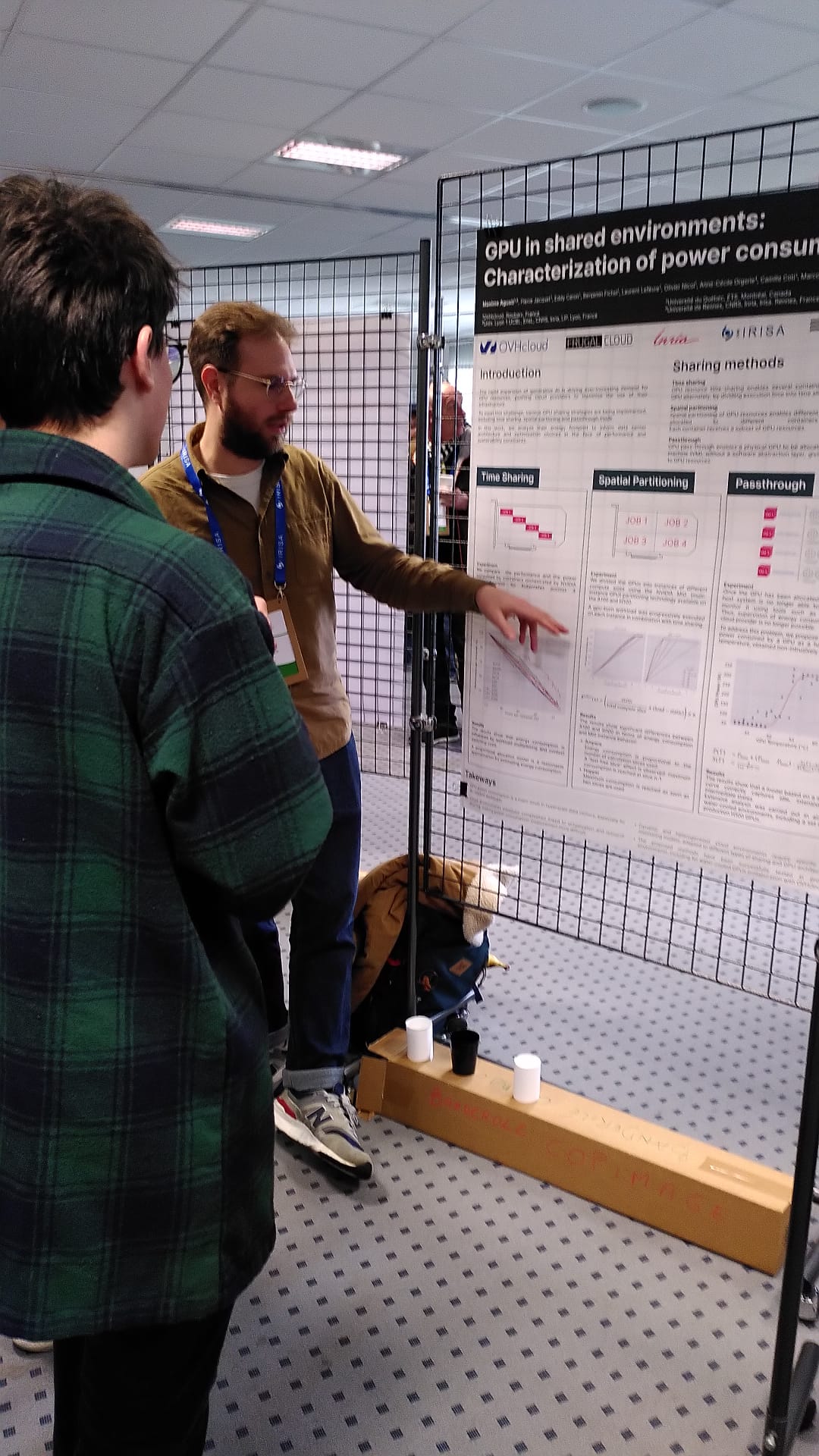
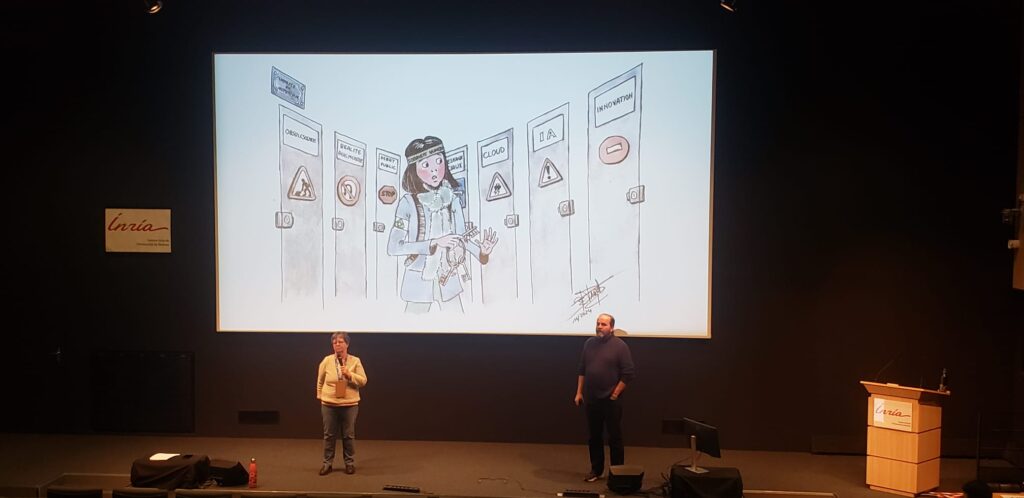
Laurent Lefevre has co-organized the GreenDays 2025 in Rennes on March 27-28, 2025 on the topic “Au-delà de l’efficacité, comment imaginer un numérique plus sobre ?”. Adrien Berthelot, Basile Leretaille, Emile Egreteau-Druet, Maxime Agusti, Simon Lambert and Thomas Stavis were actively participating and presenting their research results.,

Slides and video are available on the GreenDays page:

https://greendays.sciencesconf.org/

ODISSEE: Online Data Intensive Solutions for Science in the Exabytes Era

Research sectors such as high-energy physics and astronomy offer critical insights that have the potential to revolutionise research and development, leading to breakthroughs in theoretical fields. However, these areas often require intensive research, expensive tools, and substantial long-term funding, without which their results may be limited. The EU-funded ODISSEE project will bring together the efforts of three pan-European ESFRI infrastructures in the physical sciences, alongside several other key sectors, to enhance European excellence and leadership in astronomy and high-energy physics. The project will provide access to essential high-quality hardware, software, R&D programmes and state-of-the-art experimental facilities to support key scientific projects and researchers, particularly those focused on the search for dark matter.

Project Information

  • URL: CORDIS web site
  • Starting date: 2025, January 1st
  • End date: 2027, December 31th